
When a Ghanaian sugar mill needed their fibrizer rotor back in service, Boremill Engineering stripped, inspected, and refurbished the original shaft, triangular internal plates, and bearing housing to spec — then shipped the completed assembly for installation. No guesswork, no compromises: original components, restored to original tolerances.
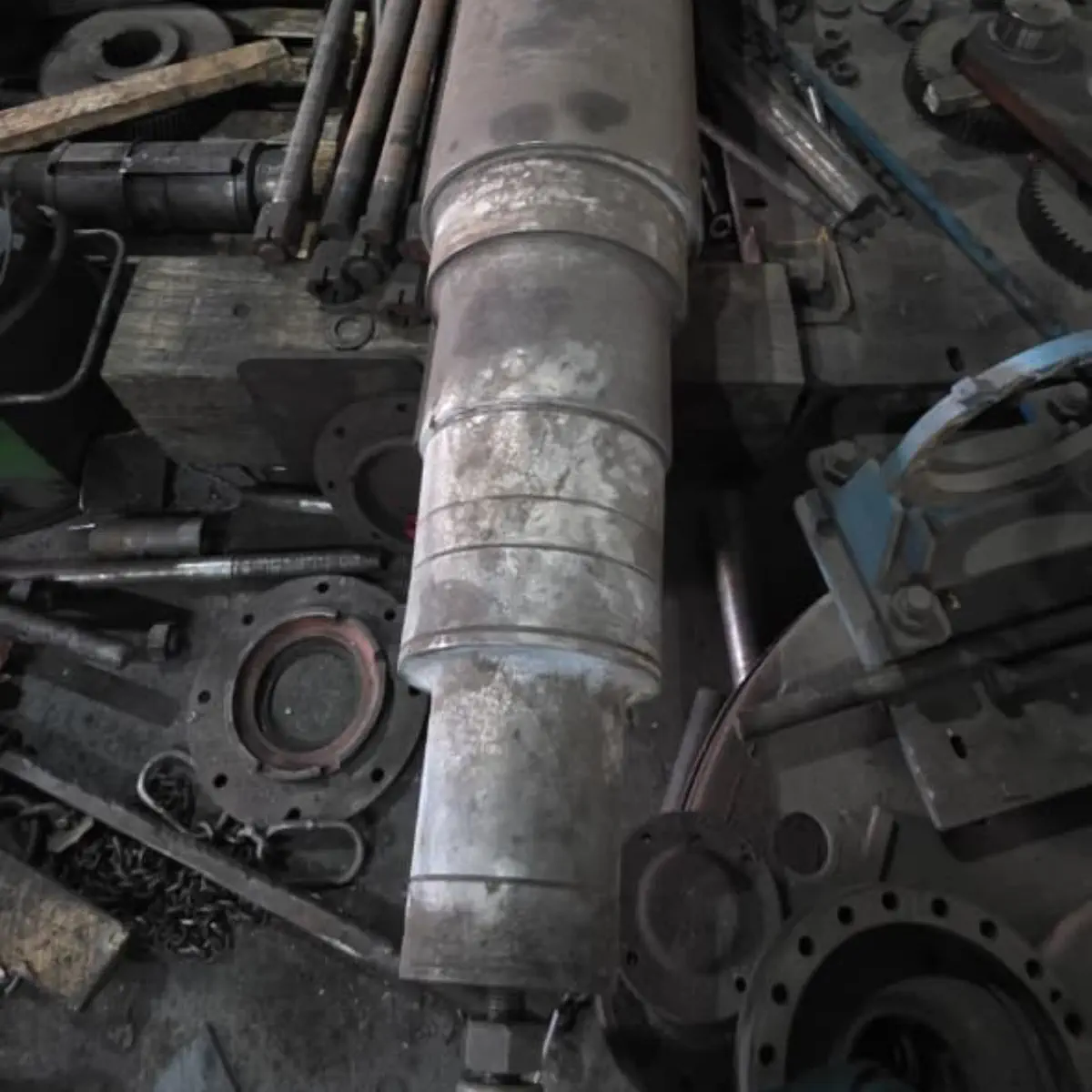
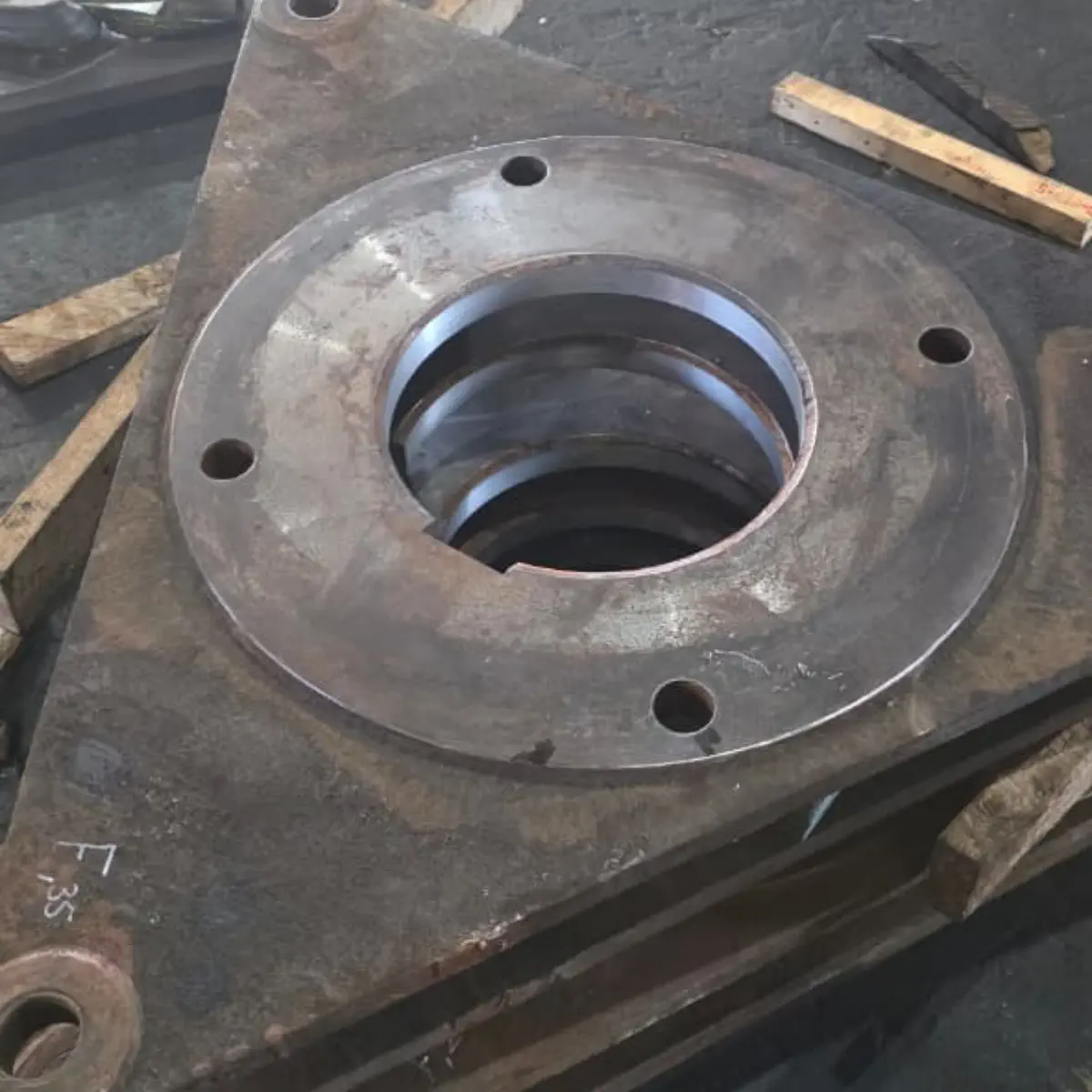
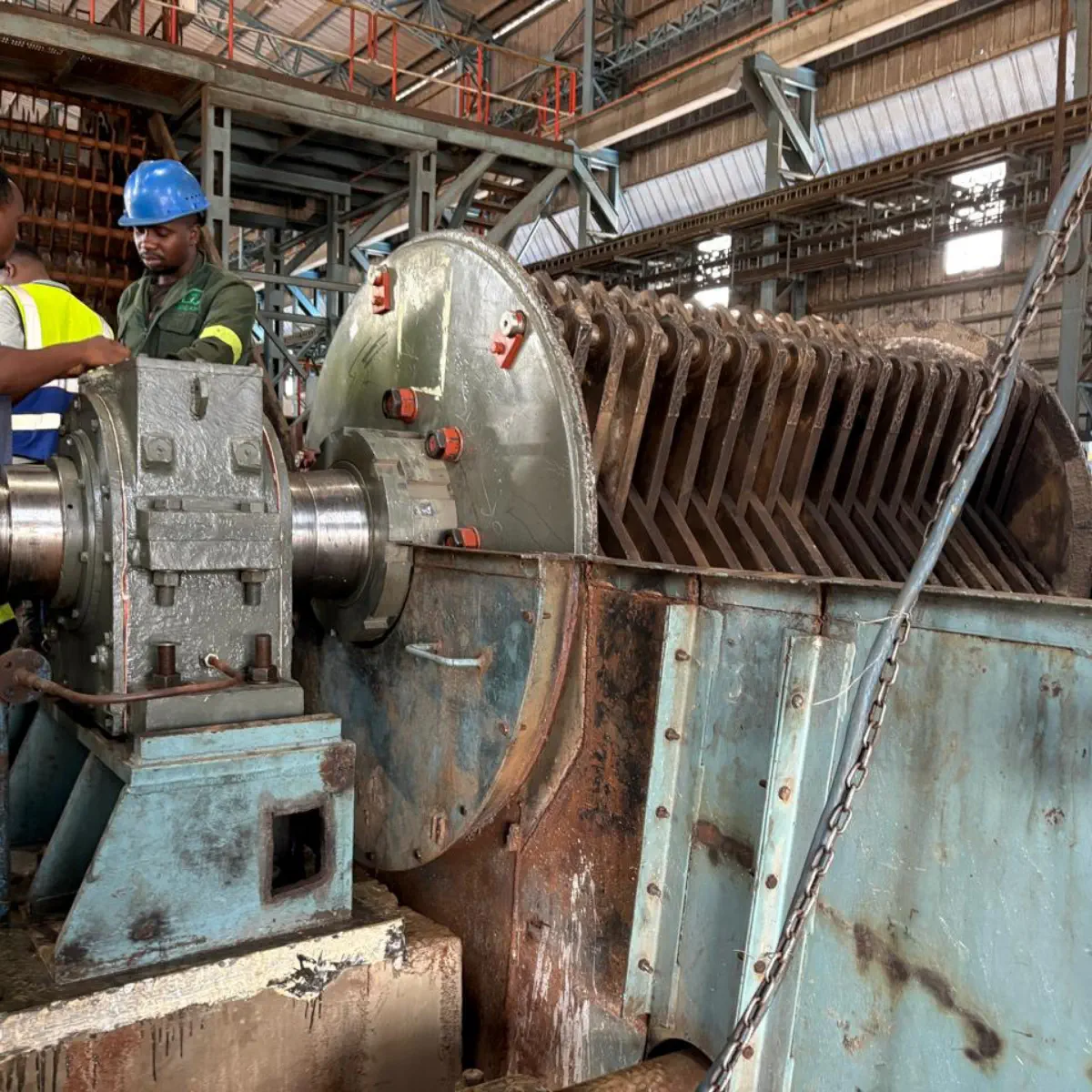
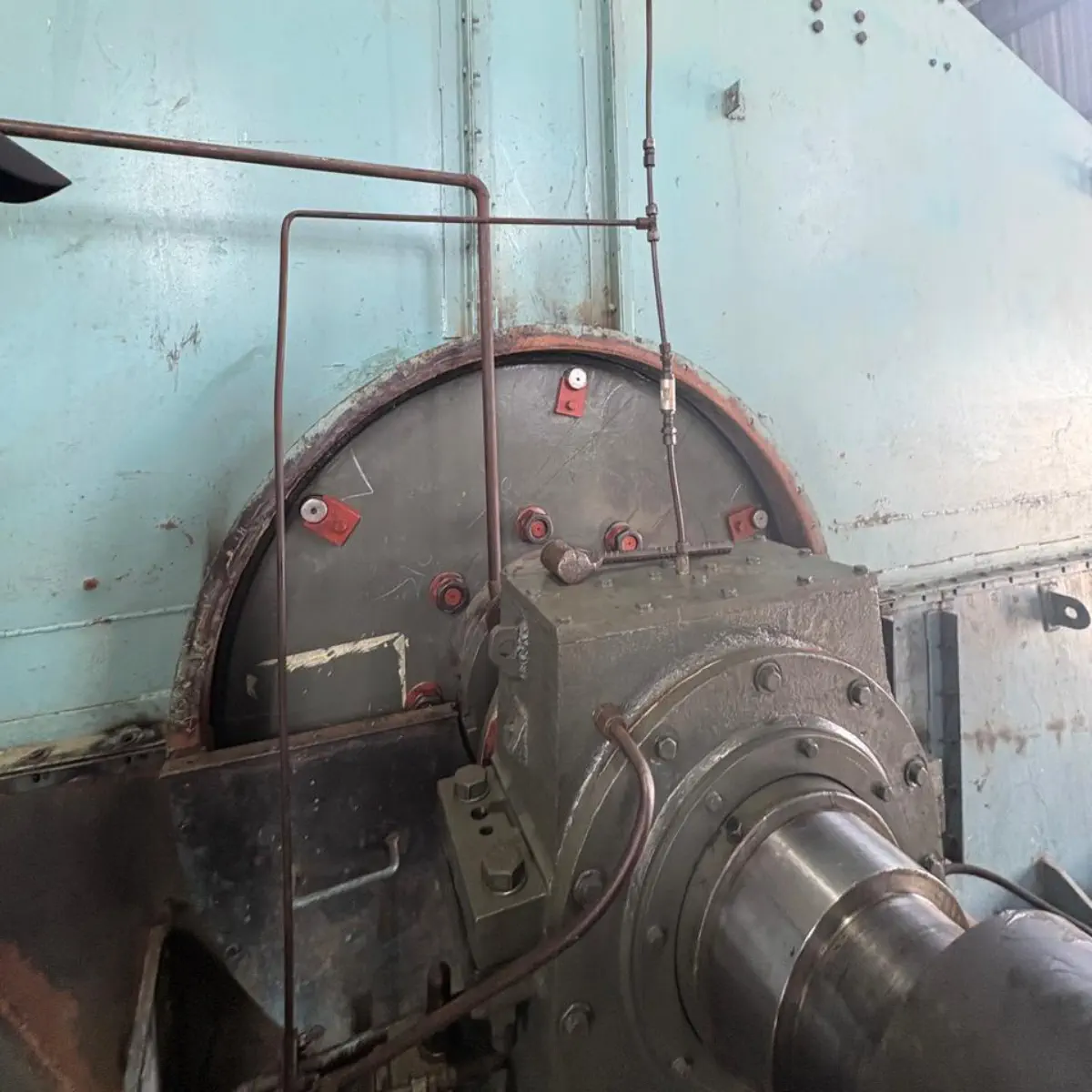
A sugar cane fibrizer rotor takes a beating. The heavy-duty, high-speed shaft runs inside triangular internal plates fitted with staggered swing hammers, and it's this assembly that shreds cane into fine fibre and breaks down cell walls before milling — the step that determines how much juice the mill can actually extract downstream. Get the Cane Preparation Index (CPI) into the 85–92% range and extraction efficiency follows. Let the rotor wear out of spec, and CPI drops with it, no matter how well the rest of the mill is running.
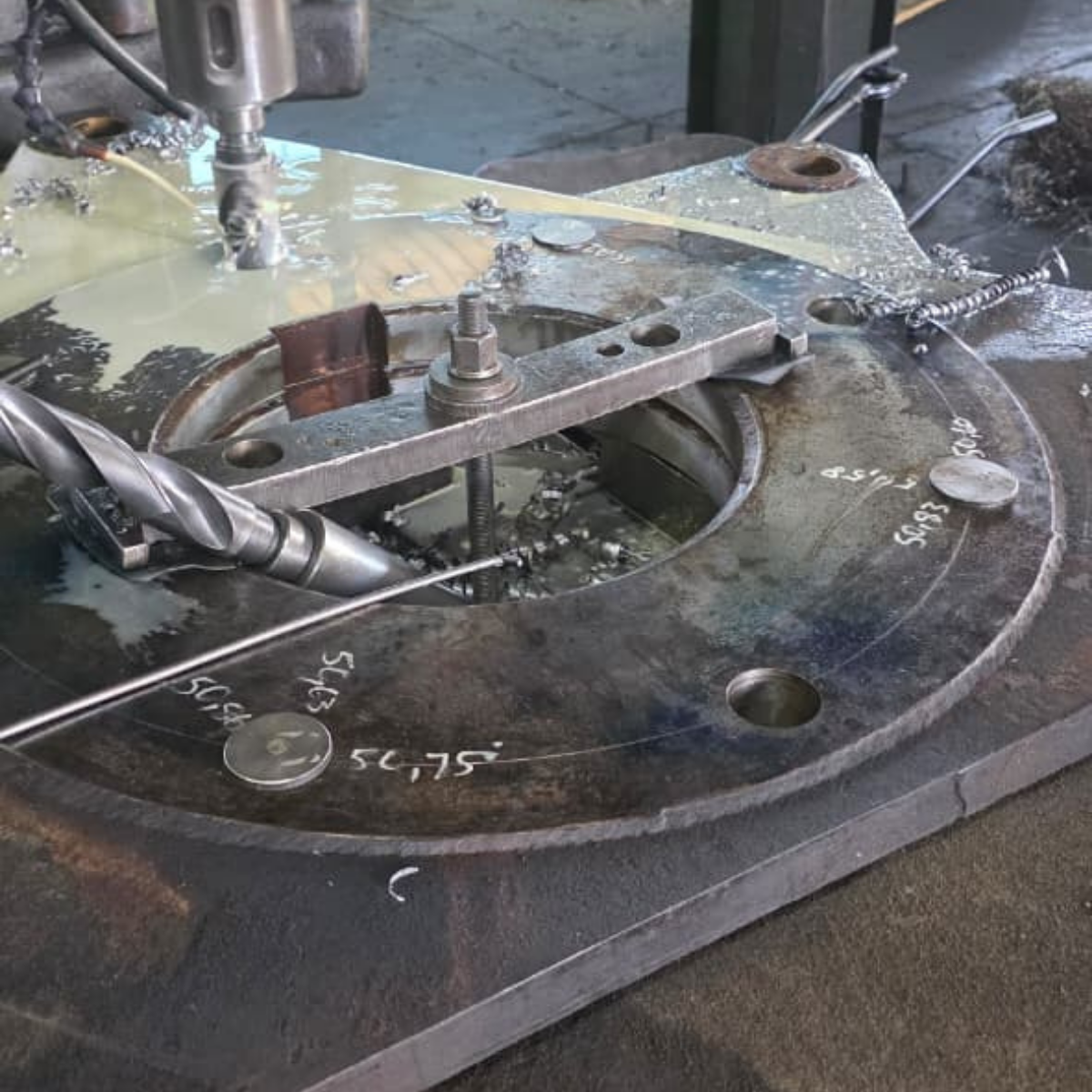
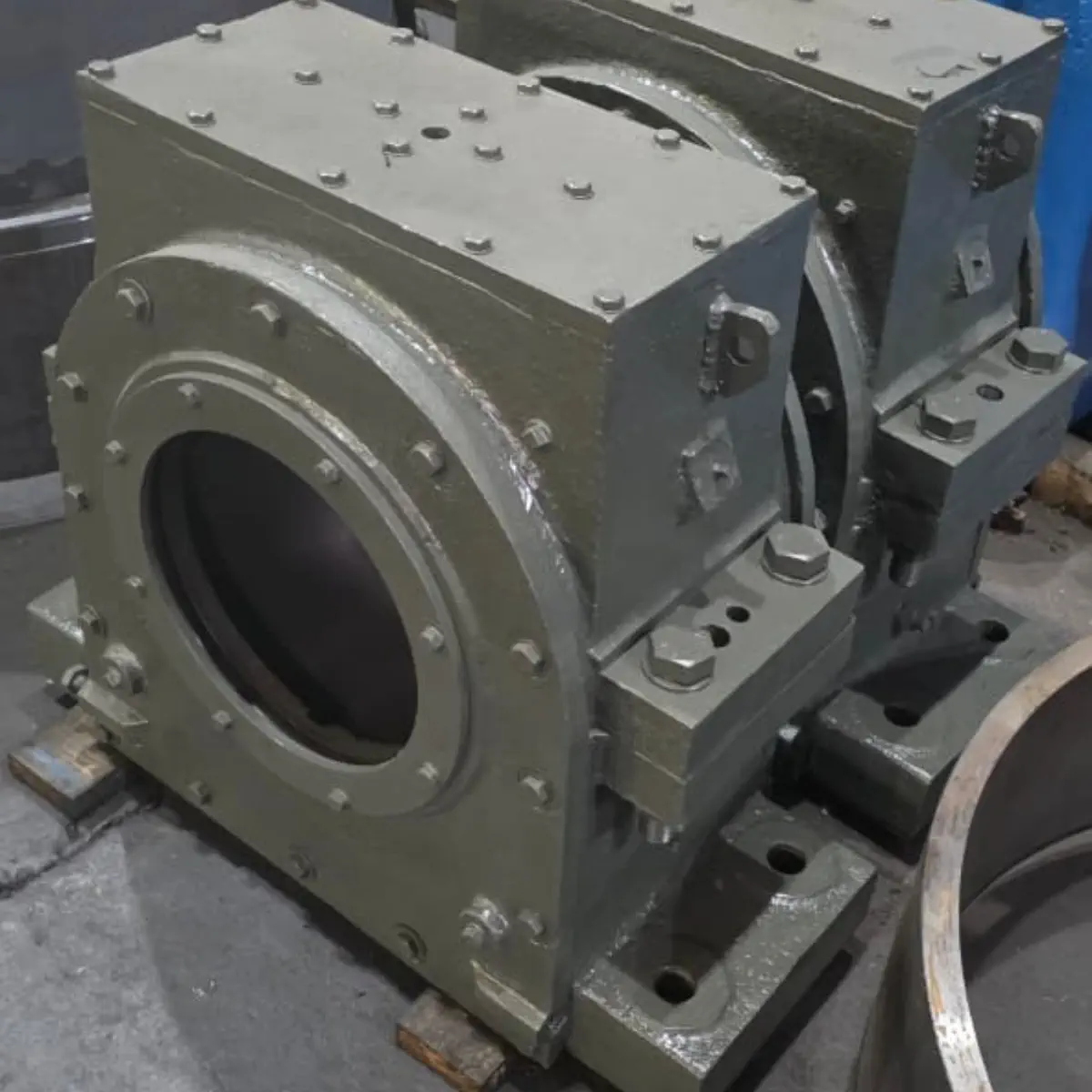
This particular rotor came to Boremill as three core components: the original shaft, the triangular internal plates, and the bearing housing. Rather than quoting a full replacement, our fitting department stripped each part down, inspected it, and reported back on wear before any machining started — the same process we run on gearboxes, crusher components, and bearing housings across the mining and processing sectors. Shaft run-out, plate wear, and housing tolerances were all brought back to original spec on our lifting and machining setup, rated to handle components up to 10 tons with ease.
Refurbishing to spec rather than replacing outright kept the customer's costs down without touching performance — the rebuilt rotor needed to perform exactly as the original did under the same high-speed, high-load conditions. Once machining and inspection were signed off, the components were packed and shipped to Ghana for on-site assembly.
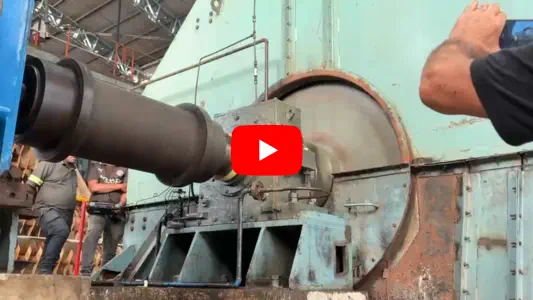
The customer's own installation footage, sent back after fitting, confirmed a clean assembly and a rotor running true. It's the kind of proof that matters most to the project managers, maintenance managers, and plant engineers who send us equipment expecting it to come back working, not just repaired on paper. Whether it's a fibrizer rotor, a crusher component, or a bearing housing off a completely different line, the approach at Boremill stays the same: strip it, inspect it, report on it, and machine it back to spec — with the workmanship to back it up.